


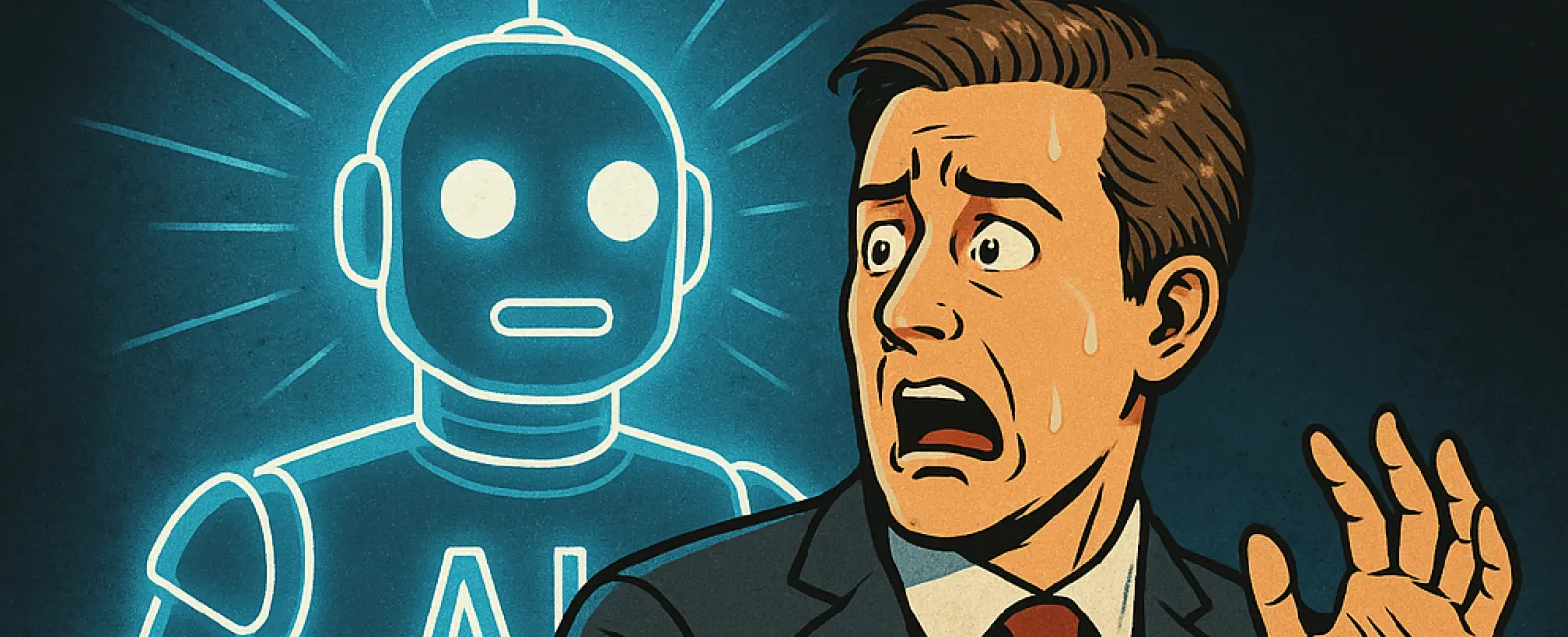
Artificial Intelligence is evolving fast, transforming the business landscape like never before. While this innovation opens tremendous opportunities, it also empowers cybercriminals with sophisticated AI tools. Let's uncover the hidden threats lurking in AI's shadows and learn how to protect your business.
Beware of Deepfake Doppelgängers in Your Video Calls
Deepfake technology powered by AI has reached uncanny levels of realism, enabling attackers to deceive employees through convincing impersonations during video meetings.
For instance, a recent case involved a cryptocurrency foundation where an employee attended a Zoom call featuring deepfake versions of senior leaders. These fakes instructed the employee to install a suspicious Zoom extension granting microphone access, ultimately facilitating a North Korean cyber intrusion.
To guard your business against these manipulations, scrutinize video chats for abnormal facial features, awkward pauses, or unusual lighting effects that may indicate a deepfake.
Stay Alert: AI-Powered Phishing Emails Deceiving Your Inbox
Phishing scams have long been a threat, but with AI crafting emails, traditional warning signs like poor grammar and typos are no longer reliable indicators.
Attackers leverage AI to translate phishing messages and landing pages into multiple languages, expanding the reach and scale of their campaigns.
Nevertheless, proven defenses like multifactor authentication (MFA) remain crucial, significantly reducing risks since attackers rarely have access to your additional verification devices. Regular security training empowers employees to identify subtle warning signs such as urgent or pressured language.
Malicious AI "Skeleton" Tools: More Threat than Technology
Cybercriminals exploit AI's popularity by repackaging malware as enticing AI software. These fake tools often blend a hint of legitimacy with embedded malicious code to trick unsuspecting users.
For example, a TikTok user promoted ways to "crack" apps like ChatGPT via PowerShell commands, but the real intent was to distribute malware — a campaign uncovered by security researchers.
To protect your company, insist that your Managed Service Provider (MSP) evaluates any new AI tools before installation and invest in ongoing security awareness programs.
Ready to Banish AI Threats from Your Business?
Don't let AI-related dangers disrupt your peace of mind. From deepfakes to sophisticated phishing and deceptive AI apps, adversaries are advancing—but so can your defenses.Click here or give us a call at 678-940-8992 to schedule your free 15-Minute Discovery Call today and let's talk through how to protect your team from the scary side of AI ... before it becomes a real problem.


