


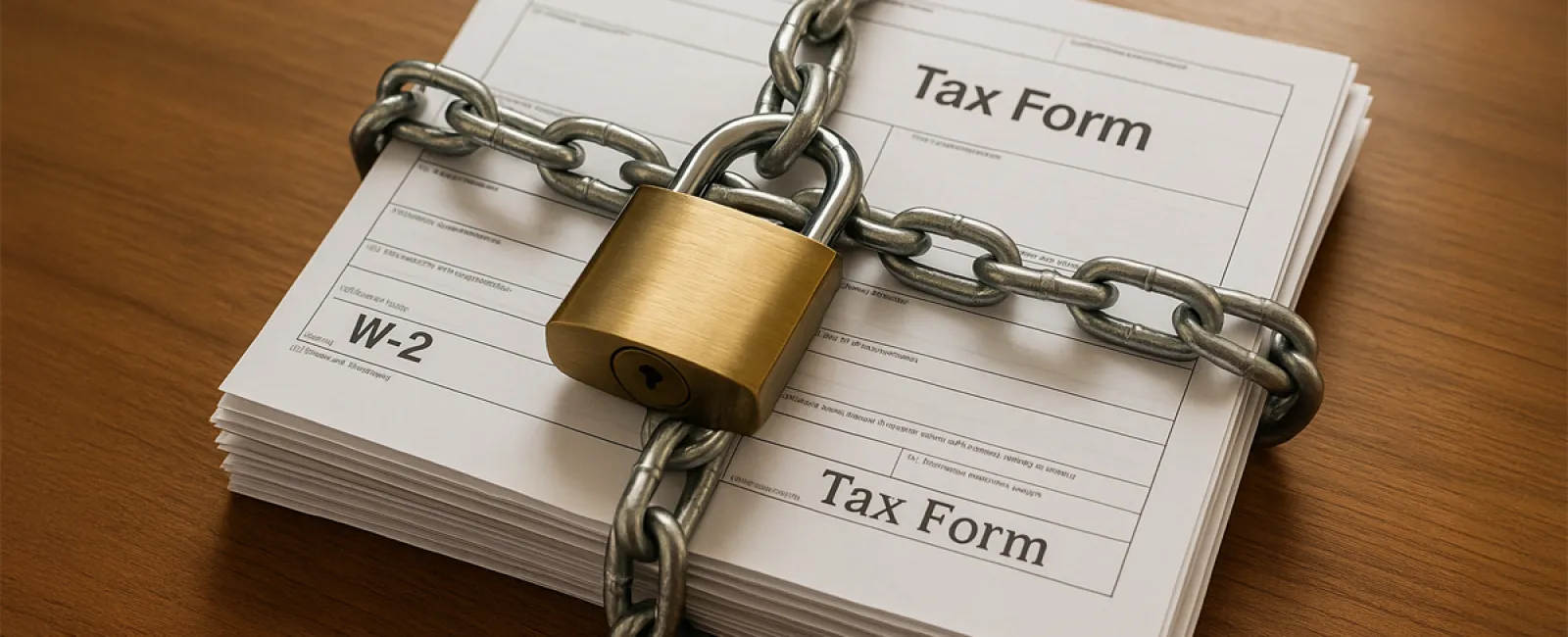
February means tax season is in full swing. Your accountant's workload is escalating, your bookkeeper is gathering documents, and everyone's focused on W-2s, 1099s, and looming deadlines.
Yet, the first real headache during tax season often isn't a form—it's a scam.
One prevalent scam arrives well before April, preying particularly on small businesses. It might already be waiting unseen in someone's inbox.
Understanding the W-2 Scam: What You Should Know
Here's the typical scenario:
An employee responsible for payroll or HR receives an urgent email appearing to come from the CEO, owner, or another high-ranking executive.
The message is brief and pressing:
"I need copies of all employee W-2s for an upcoming accountant meeting. Please send them immediately—I'm swamped today."
The request seems genuine. The tone fits, the urgency feels typical for tax season, and the ask is reasonable.
So, the employee forwards the W-2 forms.
But the email wasn't from the CEO—it originated from a cybercriminal using a forged email address or a deceptive domain.
Now, the scammer has access to every employee's:
• Full legal name
• Social Security number
• Home address
• Salary details
This data is all that's needed for identity theft and filing fraudulent tax returns before your employees can.
Consequences of Falling Victim
Victims usually discover the scam when:
An employee submits their tax return only to have it rejected with "Return already filed for this Social Security number."
Fraudsters have already filed a return under their name and collected the refund.
The employee then faces IRS complications, credit monitoring, identity protection measures, and extended paperwork caused by a request they never genuinely approved.
Imagine this happening across your entire workforce, then explaining why their sensitive personal information was compromised due to a crafted fake email.
This breach goes beyond security—it's a breakdown of trust, a serious HR challenge, a legal risk, and a potential damage to your company's reputation.
Why This Scam Is So Effective
Unlike typical phishing scams, this one looks authentic at first glance.
It succeeds because:
- The timing is impeccable; W-2 requests are normal in February, so no one questions the inquiry.
- The request is plausible, unlike suspicious asks like wiring money or buying gift cards.
- The urgency feels natural in a hectic office.
- The sender's identity seems legitimate, as criminals do their homework on company leadership.
- Employees want to help their boss and often prioritize urgency over verification.
Proactive Steps to Safeguard Your Business
Fortunately, preventing this scam relies more on clear policies and awareness than advanced technology.
Implement a strict "no W-2s via email" policy. Absolutely no exceptions. Sensitive payroll data must never leave the office through email attachments. Any email request—no matter how authentic it appears—should be denied.
Always verify sensitive requests through a separate channel: a phone call, in-person conversation, or an internal chat—never by replying to the email itself. Use contact information you already trust, not details provided in the suspicious message. This simple 30-second step can prevent months of trouble.
Hold a brief 10-minute meeting specifically on tax season scams immediately. Inform your payroll and HR teams about the rising threats, what these attacks look like, and how to respond.
Secure your payroll and HR systems with multi-factor authentication (MFA). If credentials are stolen, MFA serves as a critical last line of defense.
Foster a workplace culture where verification is encouraged, not punished. Employees who double-check CEO requests should be commended, eliminating any stigma around caution. When verification is valued, scams find no foothold.
These five simple yet powerful rules can be adopted within a week to protect your business from the first wave of scams.
Looking Beyond the W-2 Scam
The W-2 scam is merely the beginning.
Between now and April, expect a surge of tax-related cyber threats including:
• Fake IRS demands for immediate payments
• Phishing emails masquerading as tax software updates
• Fraudulent emails from "your accountant" containing harmful links
• Bogus invoices disguised as tax-related expenses
Attackers exploit tax season's fast pace and financial transactions as cover for their crimes.
Companies that emerge secure from tax season don't rely on luck—they are prepared with diligent policies, employee training, and systems designed to detect suspicious activities early.
Is Your Business Prepared?
If your business already enforces strong policies and your staff understands how to spot scams, you're ahead of many small businesses.
If not, now is the critical moment to act—don't wait for a breach.
Consider booking a 15-minute Tax Season Security Check with us.
During this session, we will examine:
• Payroll and HR access controls including MFA
• Your procedures for verifying W-2 requests
• Email safeguards that prevent spoofing
• The crucial policy adjustment commonly overlooked by businesses
Even if your business is secure, you likely know someone who would benefit from this information. Share this article to help them avoid costly identity theft.
Click here or give us a call at 678-940-8992 to schedule your free 15-Minute Discovery Call.
Because tax season is challenging enough—don't add identity theft to the list.


