


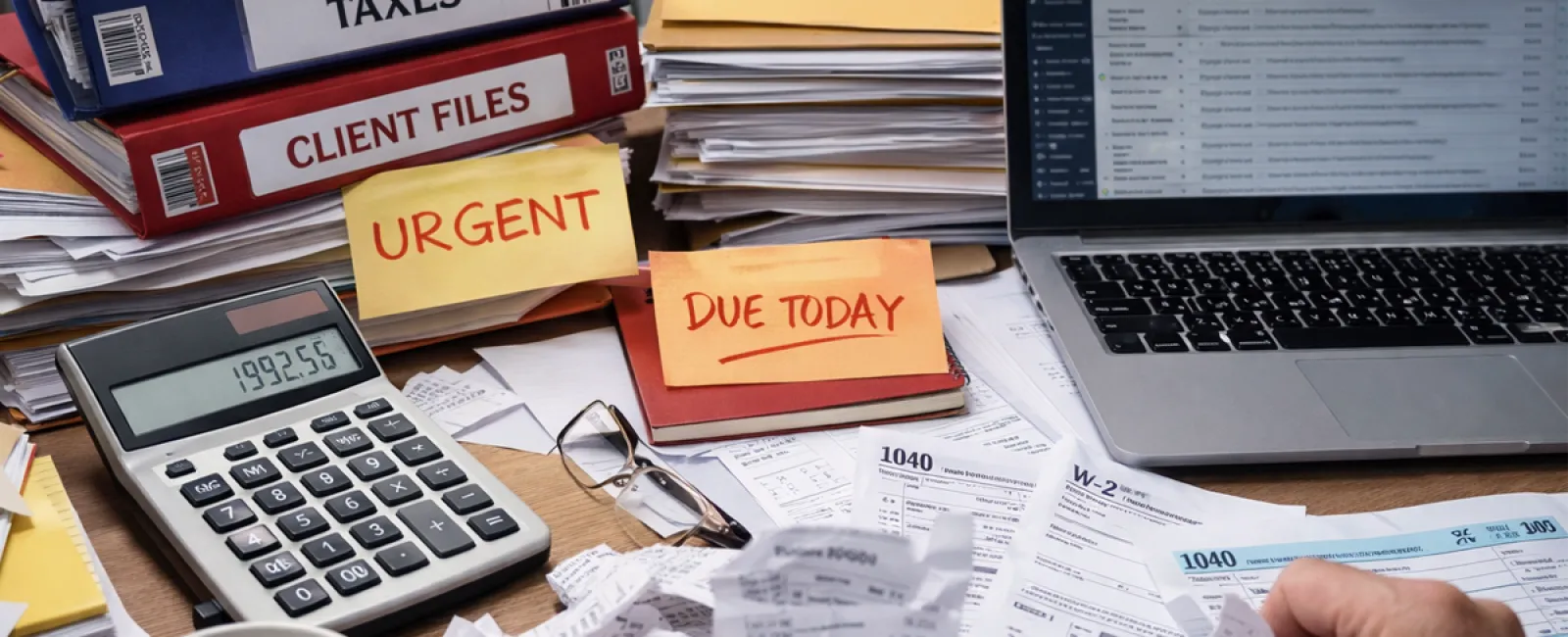
March has arrived.
Your accountant is overwhelmed. Your bookkeeper is rushing to keep pace. Deadlines are closing in. Emails flood inboxes faster than anyone can manage.
Everyone is laser-focused, pushing hard to get through this intense period.
You know this all too well.
But so do cybercriminals.
Security experts report a dramatic rise in phishing attacks throughout tax season, with March experiencing about a 28% surge in tax-related scam emails compared to quieter times. These attacks are cunningly disguised to look like routine business communications, targeting the busiest moments.
This is no accident.
This is deliberate timing.
Here's what to expect and four straightforward strategies to protect your business from becoming an easy mark.
Supply Chains Under Pressure
What many overlook is this:
Hackers don't just target accounting firms directly.
They exploit the turmoil surrounding them.
When tax season descends:
- Clients hurriedly send sensitive paperwork
- Staff skip normal verification steps to keep up with the rush
- "Just forward me that file" replaces the usual caution
- Verification processes get dropped because everyone's overwhelmed
The entire operation speeds up.
And speed creates vulnerabilities.
Hackers avoid steady, methodical businesses.
They prey on those caught in the hustle.
March embodies that busy energy.
Recognizing Real Attack Patterns
This isn't fiction.
The scam looks just like any typical email in your inbox.
- An email "from your accountant" requesting you resend W-2s due to delivery issues
- A vendor's notice about a change in bank details that needs updating
- A DocuSign request for a tax document "requiring your signature today"
- An urgent message from "your CEO" out of town, seeking immediate assistance
They don't raise alarms.
They look like everyday March business.
That's why these scams succeed.
Why Busy Professionals Fall Victim
This isn't a matter of negligence.
It's simply human nature.
With overflowing inboxes and looming deadlines, people tend to skim rather than scrutinize emails. They make assumptions and react quickly.
Scammers exploit this perfectly.
Their emails are crafted for those who are moving too fast to detect a single subtle inconsistency. They don't depend on recklessness; they only need urgency.
And in March, everyone is rushing.
Four Effective Steps to Avoid Being Targeted
The upside? You don't need expensive technology or a full security team to lower your risk.
Just adopt a few deliberate habits during peak periods.
1. Always Verify Payment Updates by Phone
If you get an email about changed vendor banking info, don't reply directly.
Instead, call a trusted number you have on file to confirm.
This simple practice stops many costly scams before they start.
2. Take Your Time on Sensitive Requests
Urgency should prompt caution, not haste.
If someone demands W-2s, tax files, or financial data "immediately," pause and verify first.
Genuine requests won't mind a quick delay; scammers will.
3. Confirm Urgent Demands Through Another Channel
If an email stresses urgent action, double-check via a call, text, or internal chat.
This quick extra step can prevent a costly error.
Real urgency withstands scrutiny; fake urgency falls apart.
4. Alert Your Team About Scam Risks
Remind your staff this tax season is scam season.
Encourage them to slow down, double-check, and ask questions if something feels unusual.
This small cultural shift can save you major headaches.
Key Takeaway
Tax season is demanding enough without the added pain of falling victim to scams.
These attacks aren't complex—they're carefully timed.
They exploit rushed attention.
They prey on assumptions.
They bank on everyone trying to power through March.
No need to overhaul your entire security.
Just slow down when stakes are high and verify urgent matters.
That simple approach is often your best defense.
Busy-Season Security Check
Maybe your business already follows strong security practices—and if so, that's excellent.
But if tax season tends to trigger reactive decisions or you're unsure how your team handles urgent requests under pressure, consider a free 15-Minute Discovery Call for a quick assessment.
No scare tactics, no pressure—just a clear evaluation of small changes that can prevent major headaches during this critical season.
If this doesn't apply to you, feel free to forward this to someone who could benefit.
Click here or give us a call at 678-940-8992 to schedule your free 15-Minute Discovery Call.


